Rhinoplasty (Nasal Reshaping Surgery)
An attractive nose draws one’s
attention to the most beautiful feature of the face – the glow of
one's eyes. An unsightly nose, on the other hand, is easily noticed and
detracts from the eyes.
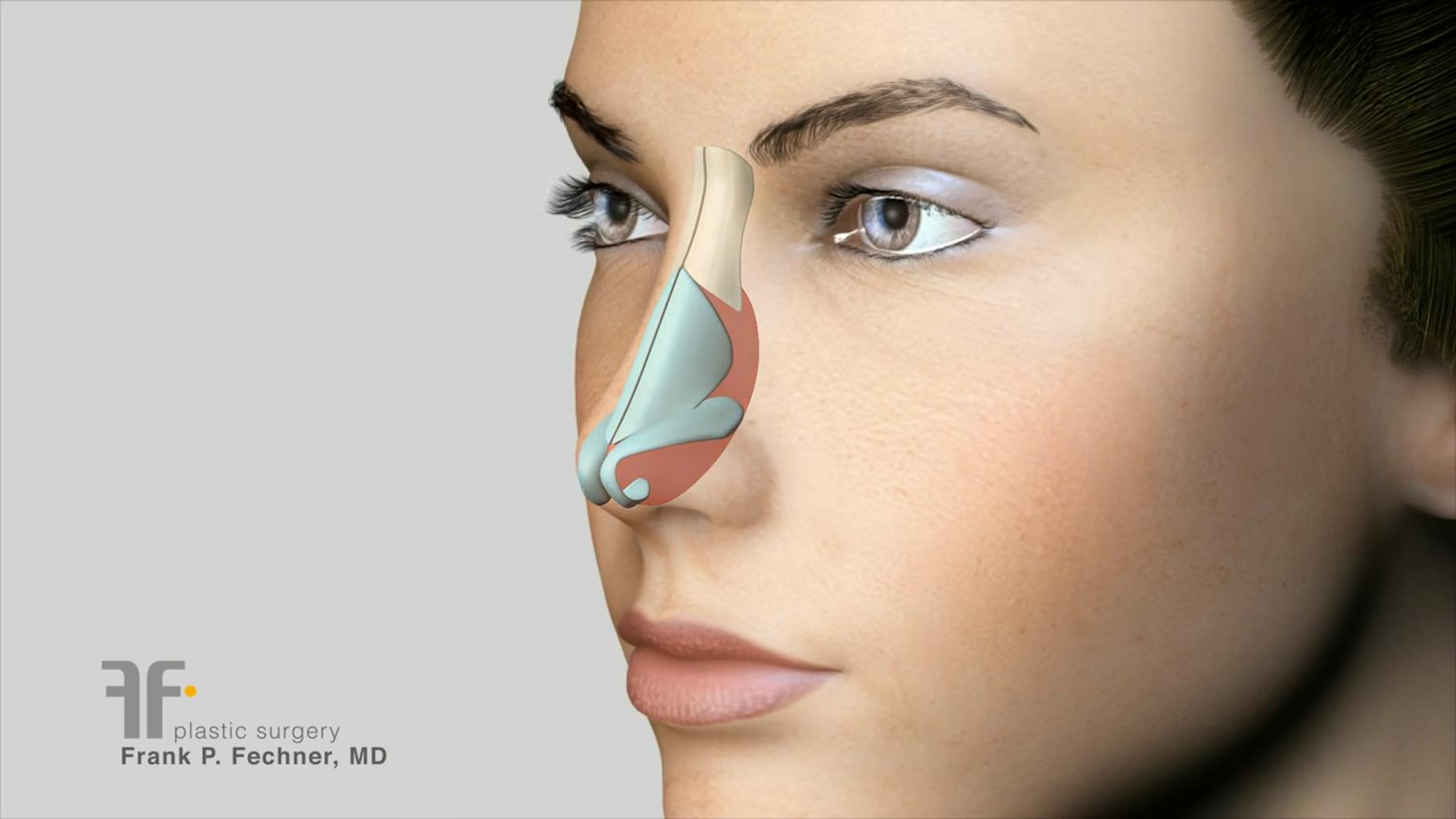
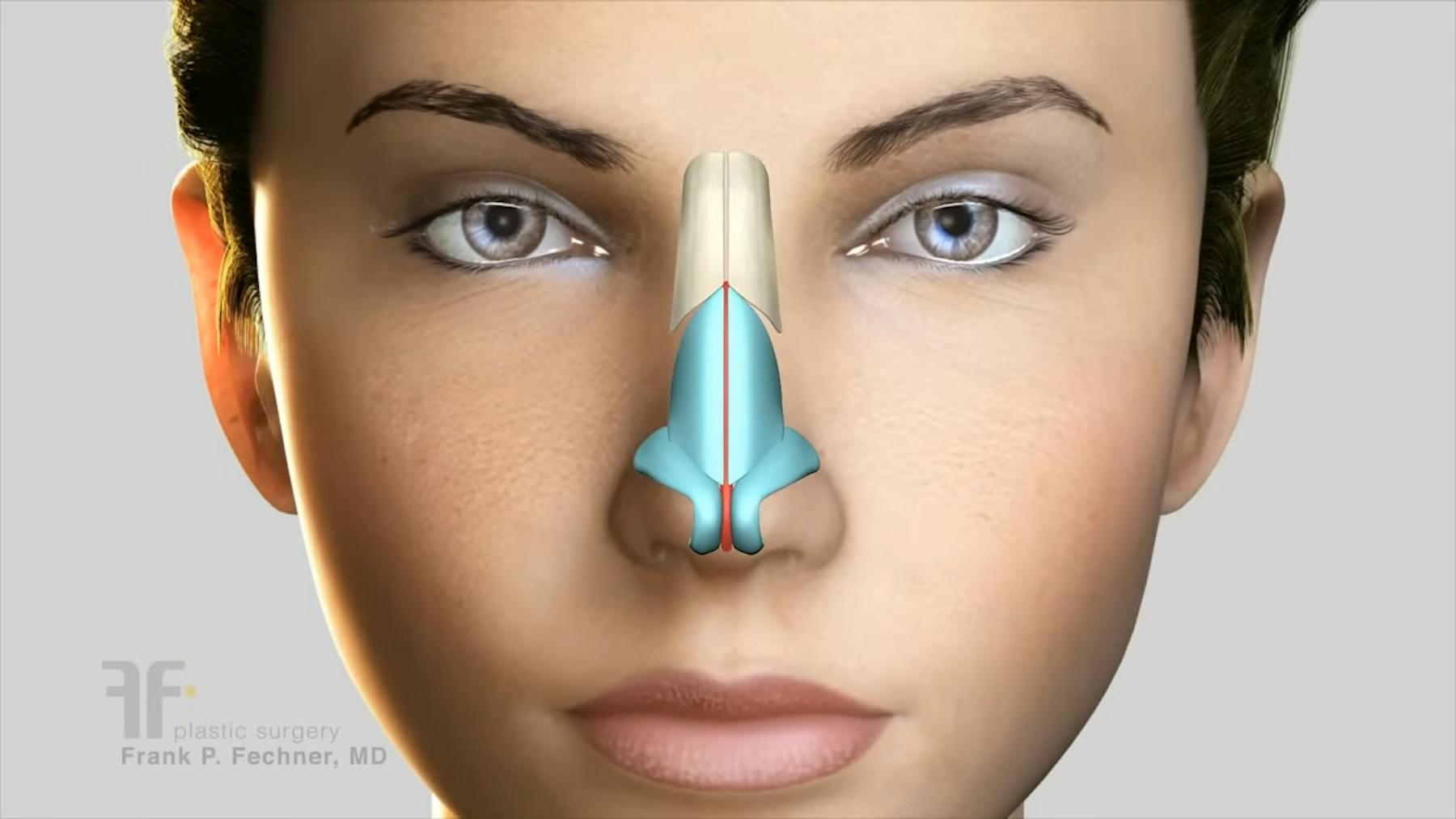
Surgically reshaping the nose, or rhinoplasty
(sometimes also called “nose job”), aims
at carefully matching the nasal appearance with the other features of
the face. Rhinoplasty is arguably one of the most challenging
surgical procedures performed and therefore, it demands the utmost finesse
and dedication from the plastic surgeon.
Two main techniques of rhinoplasty
performed today are the closed (or endonasal) and the open rhinoplasty.
Dr. Fechner has worked extensively with some of the world’s foremost
rhinoplasty experts at Harvard, Cornell, Columbia and
New York University Medical Schools. His unique experience allows him
to be comfortable with both techniques of aesthetic nasal surgery
and therefore, Dr. Fechner can carefully choose the rhinoplasty
approach together with his patients based on the specific anatomic requirements.
Every rhinoplasty performed for cosmetic
reasons has to be done without compromising the function of the nose.
In fact, the first time nasal surgery is performed is
usually the best opportunity to address both function (breathing, air
humidification, smell) and appearance.
Rhinoplasty may be indicated because of the inherited
appearance of the nose, nasal trauma (broken nose), unsuccessful
prior nasal surgery (revision
rhinoplasty), changes related to aging (aging
rhinoplasty) or, rarely, as a result of cancer treatment (nasal reconstruction).
In Dr. Fechner's mind, a successful rhinoplasty should
result in a handsome nose that not only fits the patient's facial features,
but is natural looking, is well-functioning and maintains its appearance
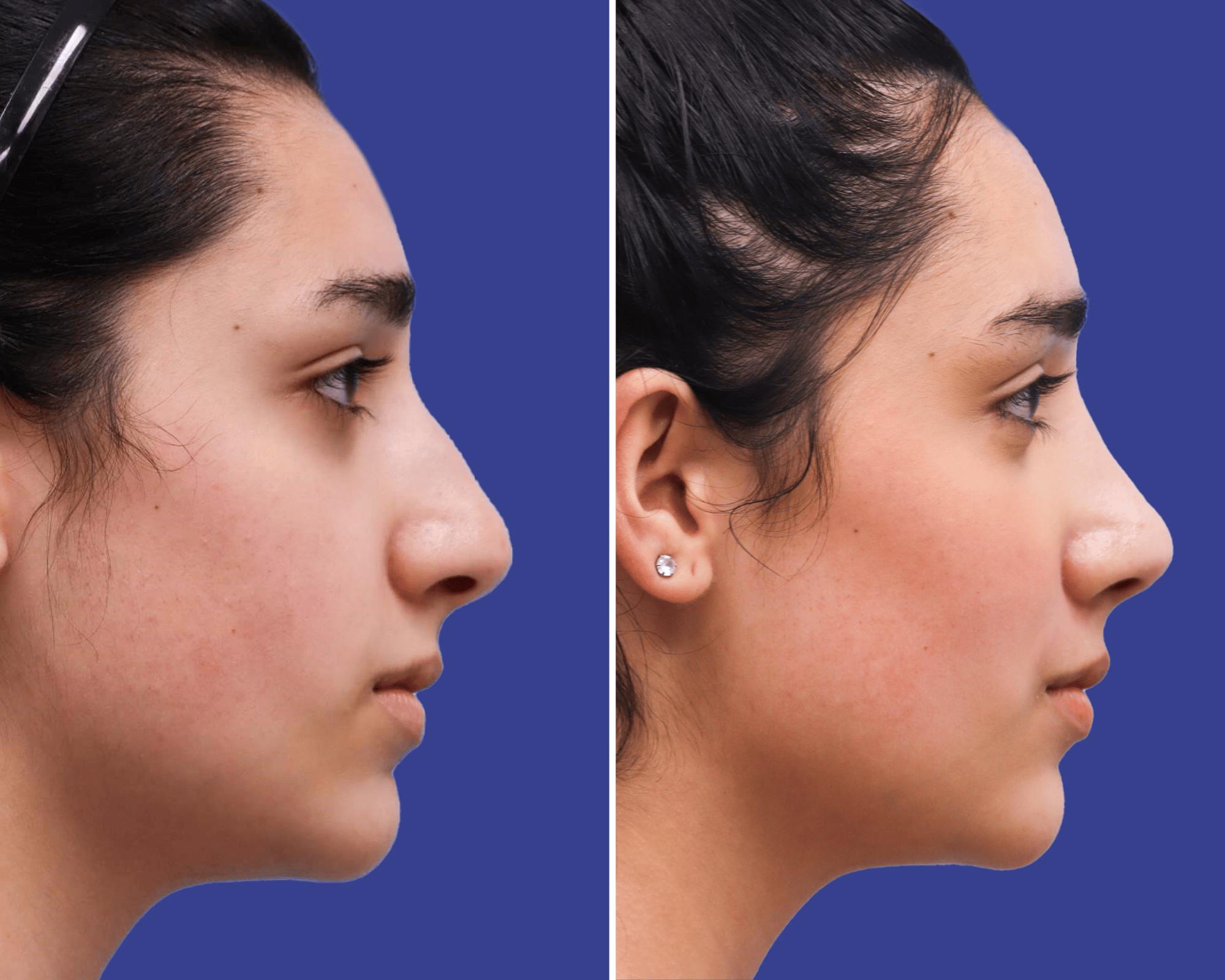
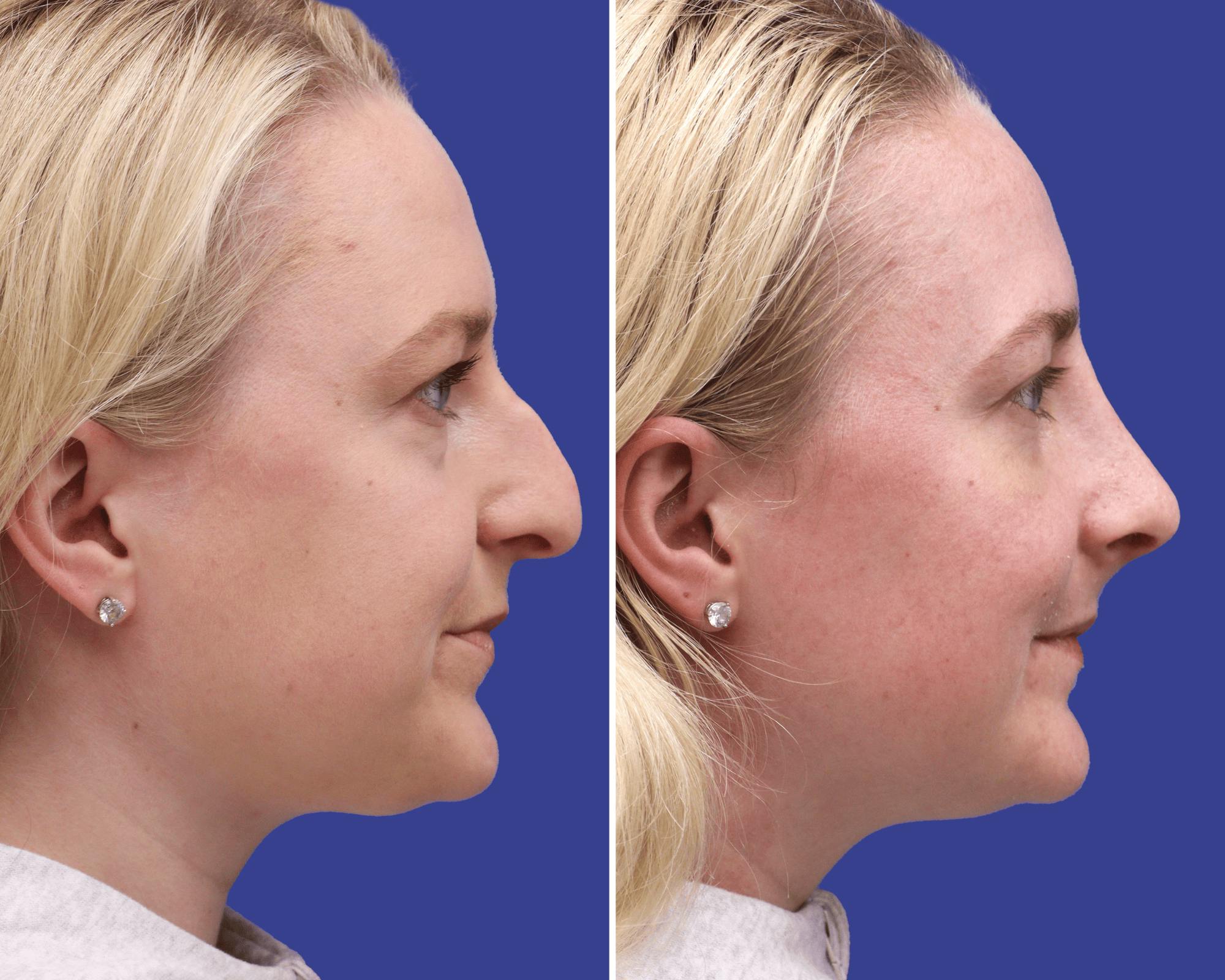
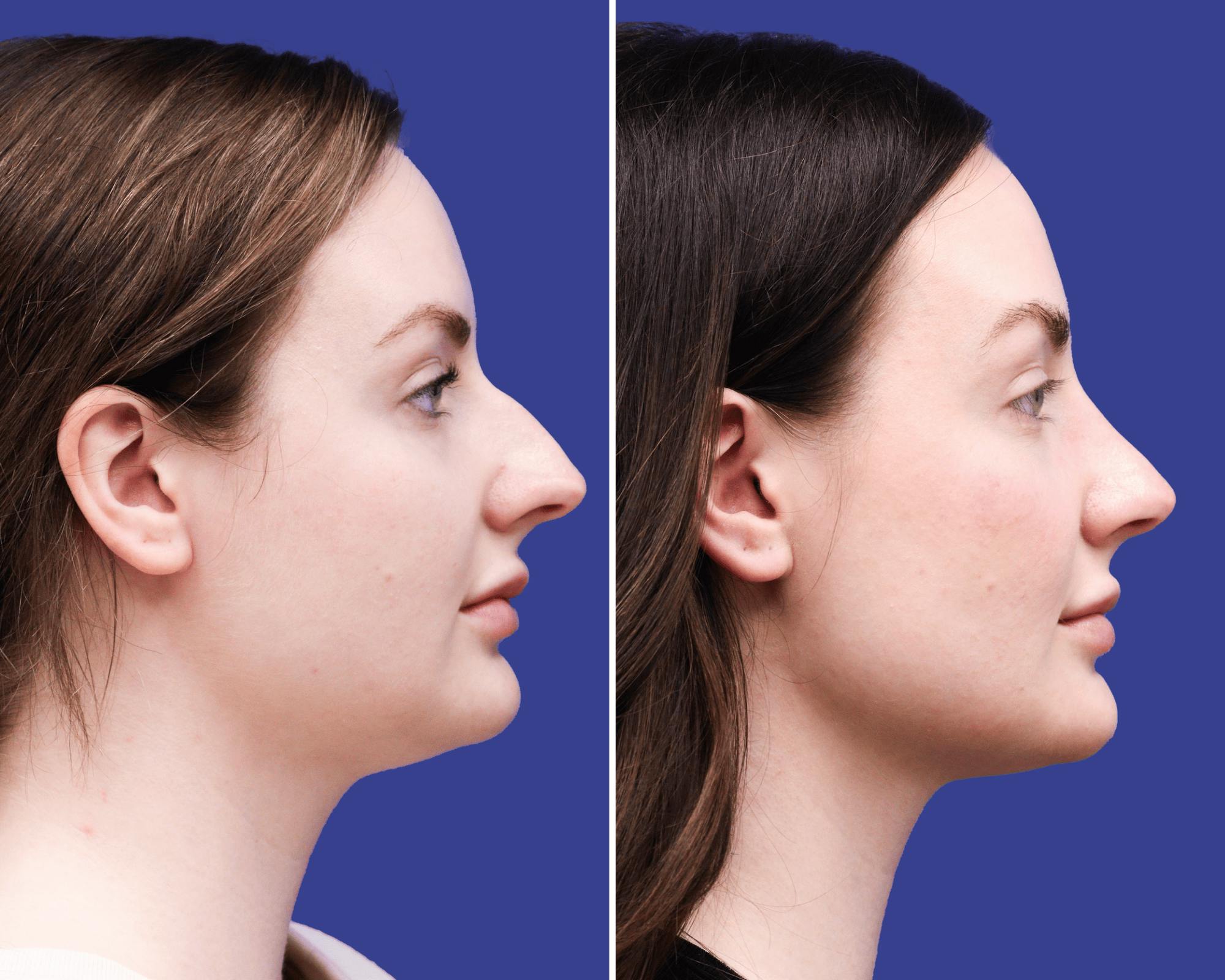
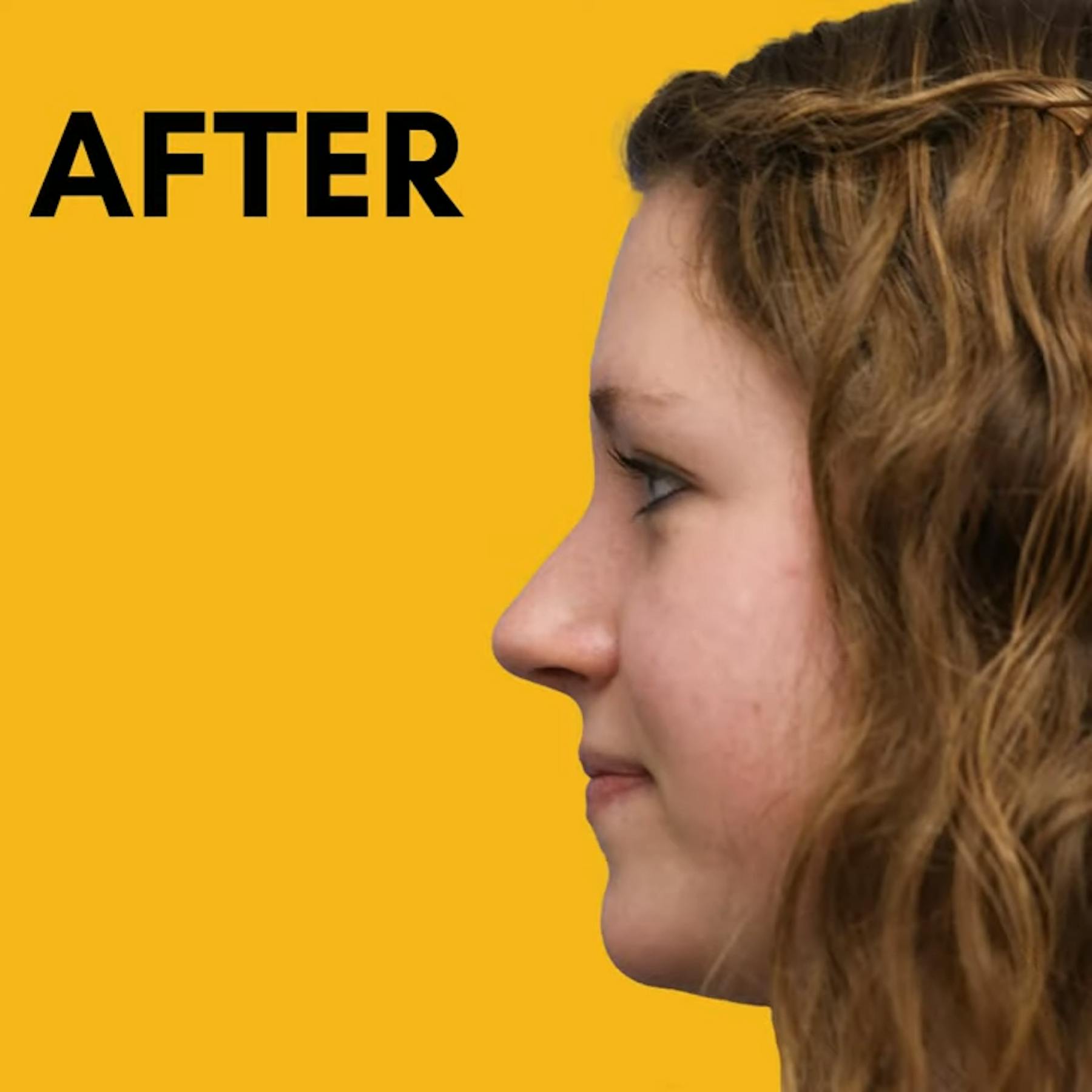
for decades to come. Before and after photographs of rhinoplasty patients
are available during the private consultation with Dr. Fechner. Rhinoplasty
is safely performed as an outpatient procedure with a recovery time of
approximately 7 to 10 days.
Primary Rhinoplasty
Plastic surgery of the nose performed for the first
time on a particular patient is also referred to as primary rhinoplasty.
Because the first rhinoplasty surgery on a patient’s nose is the
best time for a good result, Dr. Fechner and his patients go through a
comprehensive consultation process in order to reach a common vision of
what the nasal operation will accomplish.
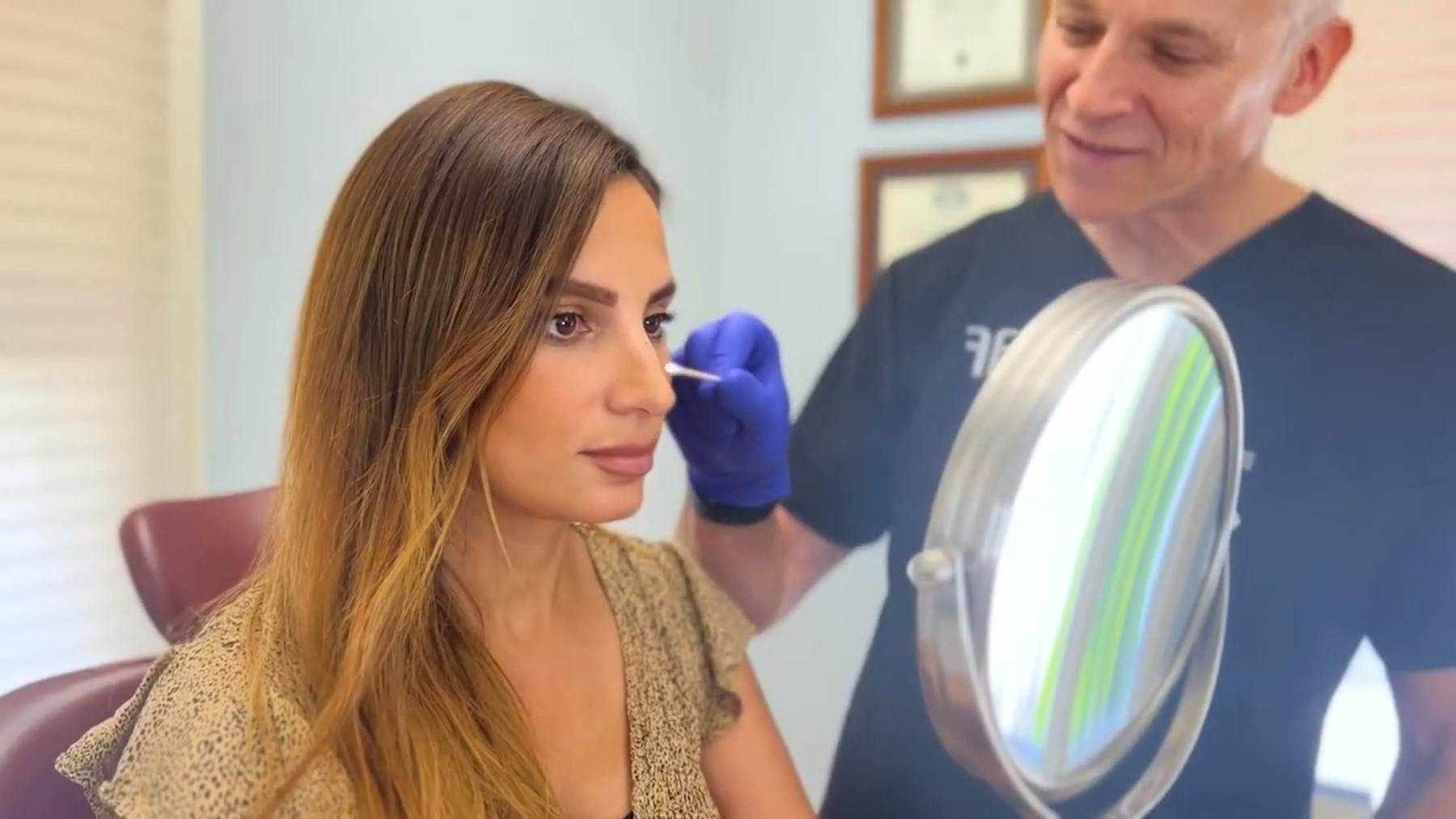
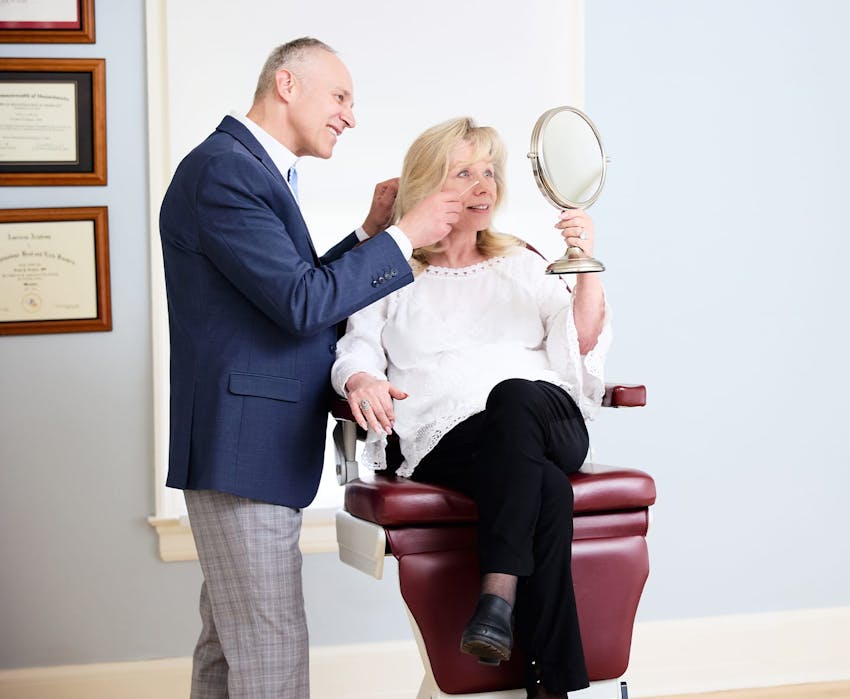
During an extensive discussion Dr. Fechner assesses
the cosmetic concerns and functional condition of the nose.
A thorough examination includes the nose and face and helps Dr. Fechner
to evaluate the relationship of the nasal to overall
facial aesthetics. Many factors are important to consider before embarking
on rhinoplasty surgery including ethnicity, age, skin
type and thickness, profile, prior trauma and chin anatomy, to name just
a few.
Besides these cosmetic rhinoplasty concerns,
an all-inclusive functional assessment includes nasal allergy, nasal obstruction,
nasal septum and turbinates, sinus disease and sinus headaches. In addition,
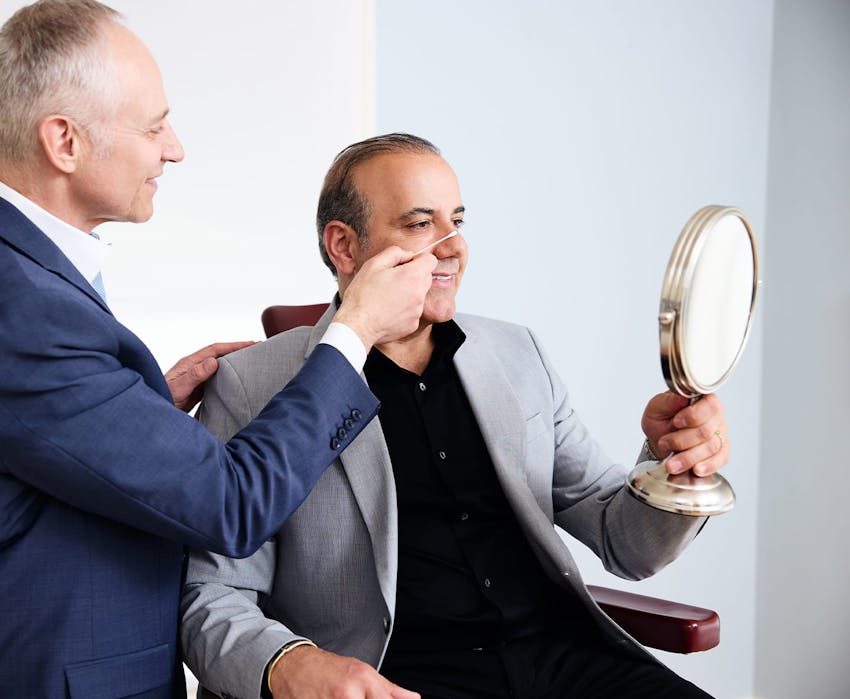
Dr. Fechner knows that with digital imaging a realistic result after the
rhinoplasty operation can be simulated. As an additional tool computer
imaging can enhance substantially communication between the rhinoplasty
patient and facial plastic surgeon.
Revision Rhinoplasty
Revision rhinoplasty refers to aesthetic nasal surgery
performed on a patient who has undergone rhinoplasty in the past. The
patient may be unhappy with the cosmetic result, the function of the nose
or both. Commonly, this represents a challenge to the plastic surgeon
and advanced rhinoplasty techniques are required.
Dr. Fechner’s initial steps include a thorough
discussion with the patient to understand desires, fears, reasons for
the unhappiness and goals from additional nasal surgery.
The examination may reveal a wide array of possible
problem areas and advanced rhinoplasty techniques may include cartilage
grafting to support nasal structure and reestablish strength, special
internal suturing techniques, finesse touch-up procedures and revisions
or removal of scar tissue.
Modern digital imaging technology helps Dr. Fechner
to establish a common surgical goal with the patient before undergoing
the revision rhinoplasty procedure.
Aging Rhinoplasty
As we age our nose changes together
with the remainder of the face. Some of these changes are related to the
nasal skin becoming less elastic and alter its thickness. The nose
may become droopy and longer adding to the overall aged facial appearance.
Changing the appearance of the nose can in fact result
in a younger and refreshed look without unwanted tell-tail signs of cosmetic
surgery. By that means, aging rhinoplasty can be an essential adjunct
to facial rejuvenation.
Simulating the desired changes with the help of digital
imaging software is very helpful in establishing a realistic goal for
the rhinoplasty operation.
Nasal Fracture (Broken Nose)
The prominent location of the nose within the face
makes it rather susceptible to trauma. Therefore, the nasal bones are
the most commonly broken bones. The consequences of nasal fracture are
quite significant and often include nasal bleeding, swelling and bruising
around the eyes and cheek, lacerations of the nasal skin, impairment of
nasal breathing, decreased or absent sense of smell and snoring.
In addition, the overall facial appearance can change
with an asymmetrical, crooked nose or it may have a new or larger nasal
hump. Often, this is the result of fractures of the nasal bones, the nasal
septum and the nasal cartilages together making it a rather complex situation.
The modern treatment approach to the broken nose has
changed significantly over the past 10 years. Today, Dr. Fechner favors
an earlier intervention in order to optimize the results from repair of
the nasal fracture. Most of the surgical techniques used by Dr. Fechner
to repair the broken nose are lent from rhinoplasty surgery. Therefore,
Dr. Fechner’s thorough understanding of functional and aesthetic
surgery of the nose helps him to achieve excellent results in the repair
of the fractured nose.
A private
consultation with Dr. Fechner will help the patient to understand
his/her very specific situation. Located in Worcester
and helping patients throughout the Boston area and Massachusetts.
For more information about some of the most common facial
cosmetic procedures please follow the links below:
|