
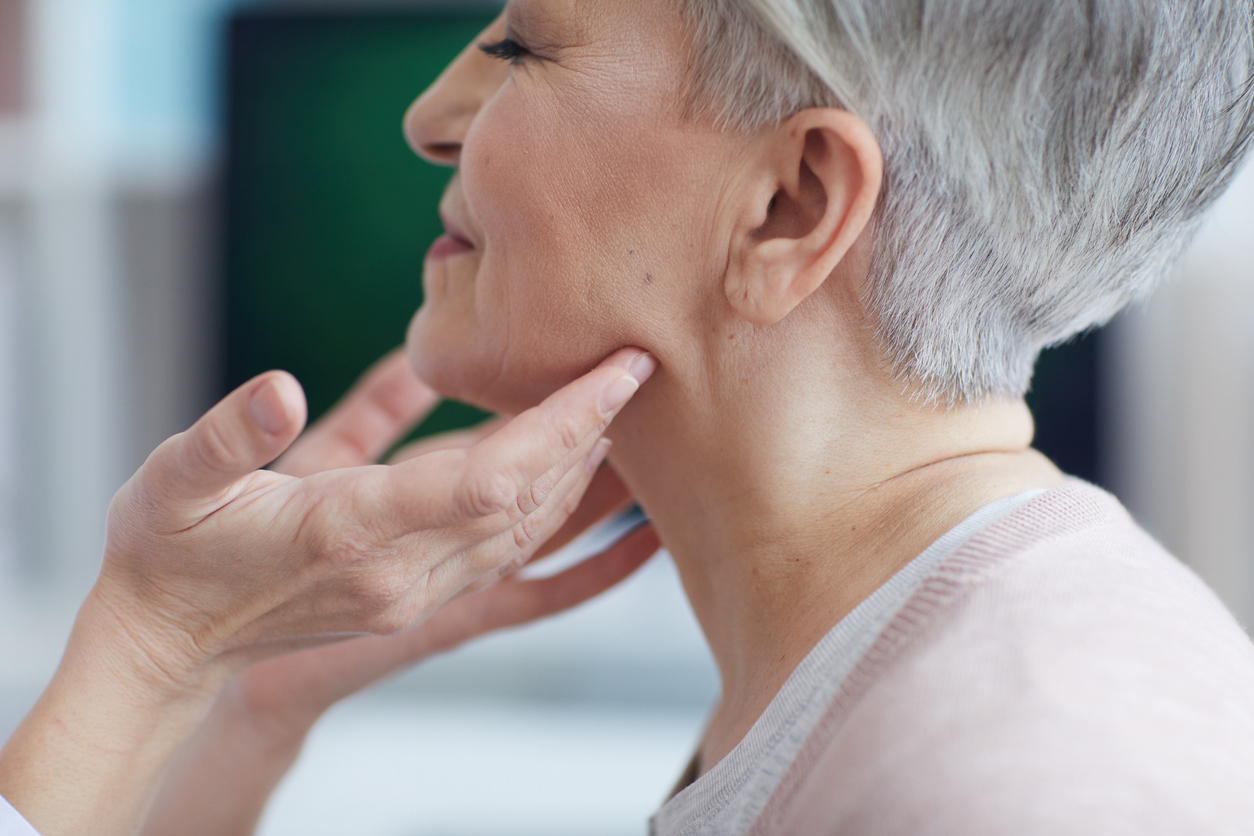
The neck often shows age earlier than expected, largely because its skin is thinner and constantly in motion. At Fechner MD, double board-certified facial plastic surgeon Dr. Frank Fechner, MD, focuses exclusively on the face and neck, bringing a level of precision shaped by advanced training and academic involvement at Harvard Medical School. That specialized focus allows for a more exact approach in an area where even small shifts can change overall facial harmony.
Patients often first notice subtle laxity beneath the chin, faint banding, or a softer jawline. These changes develop gradually as collagen declines, muscles shift, and gravity takes effect. The neck simply has fewer natural defenses against these changes, which is why it tends to age ahead of the face. Understanding how and why this happens makes it easier to choose the right treatment path. Let’s take a closer look at what drives neck aging and how it can be addressed.
Why the Neck Ages So Early
The neck is built differently than other areas of the face, and those differences become more noticeable with time.
Its skin is thinner and produces less oil, which can lead to earlier creasing and reduced elasticity. Over time, the platysma muscle can separate, creating the vertical bands many patients begin to notice.
Because the midface has more structural support, these changes tend to appear sooner and become more visible as they progress.
The Most Common Signs of Neck Aging
Aging in the neck usually appears as a combination of changes rather than a single concern.
- Loose skin: Skin may begin to drape under the chin and along the neck.
- Vertical banding: Muscle separation can create visible lines running down the neck.
- Reduced jawline definition: The contour between the chin and neck becomes less distinct.
- Wrinkling and creasing: Lines deepen as skin quality changes.
- Fullness under the chin: Fat accumulation can soften the profile.
These changes often develop together, which is why the neck can stand out even when other features still appear youthful.
How the Neck Is Treated Effectively
Addressing neck aging requires attention to both surface changes and deeper structures.
Some patients benefit from reducing excess fat beneath the chin, while others need correction of loose skin or muscle banding. When these concerns become more pronounced, a surgical neck lift, or platysmaplasty, allows for a more complete refinement by tightening the muscle layer and removing excess skin.
In select cases, combining procedures may help create a more cohesive result, particularly when changes extend beyond the neck alone.
When It May Be Time to Consider Treatment
The decision to treat the neck is less about age and more about how the area is changing.
You may begin to consider treatment if you notice:
- Skin laxity affecting the shape of the neck
- Neck bands or creases becoming more defined
- Fullness under the chin that alters your profile
- A visible difference between the appearance of your face and neck
A consultation allows for a closer evaluation and a plan that reflects your specific anatomy and goals.
Restore a More Defined Neck Contour
Dr. Fechner brings a highly focused approach to facial plastic surgery. His work as a Harvard Medical School educator and his experience in advanced facial procedures support outcomes that align with each patient’s natural features.
If the neck has begun to draw attention in a way that doesn't align with the rest of your appearance, a tailored treatment plan can help. Schedule a consultation with Dr. Fechner to explore options that improve contour, restore definition, and maintain a natural-looking result.